4
American Courtesans: The Real Stories Behind the Sex Work Documentary Sensation
There’s a new documentary making waves-not because it’s flashy or full of celebrity interviews, but because it refuses to look away. American Courtesans doesn’t romanticize, sensationalize, or moralize. It simply shows. Women and men who’ve worked in sex work across the U.S. tell their own stories: how they got in, why they stayed, what changed, and what they wish people understood. The film has sparked conversations in living rooms, college classrooms, and state legislatures. And it’s not just about sex-it’s about survival, dignity, and the systems that push people into corners no one talks about.
Some viewers are surprised to find parallels between these stories and the global underground economy. For instance, the same economic pressures that lead a single mother in Detroit to take on clients after her shift at the hospital are mirrored in places like Paris, where an euro escort girl paris might be studying law at night while managing daytime appointments. These aren’t outliers. They’re data points in a much larger pattern: poverty, lack of social safety nets, and the illusion of choice.
What the Documentary Doesn’t Show You
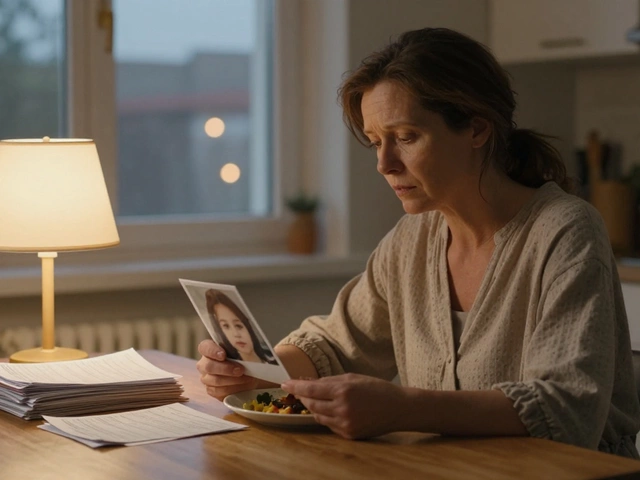
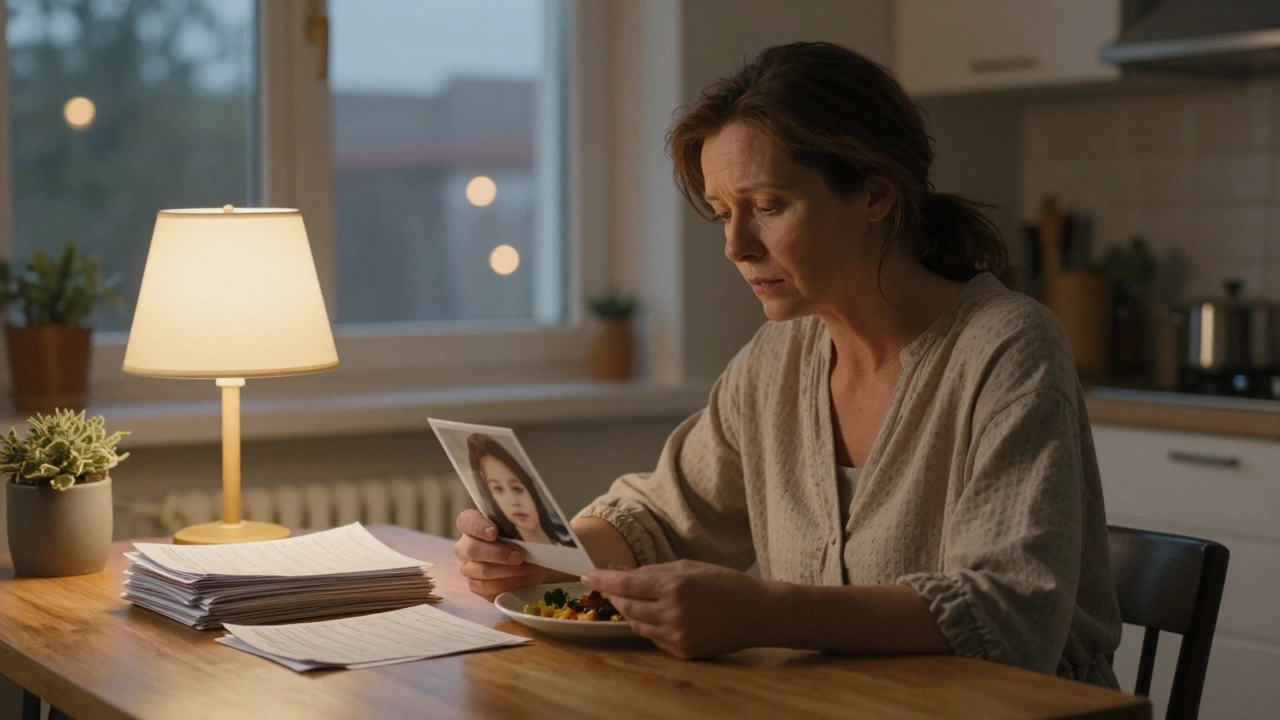
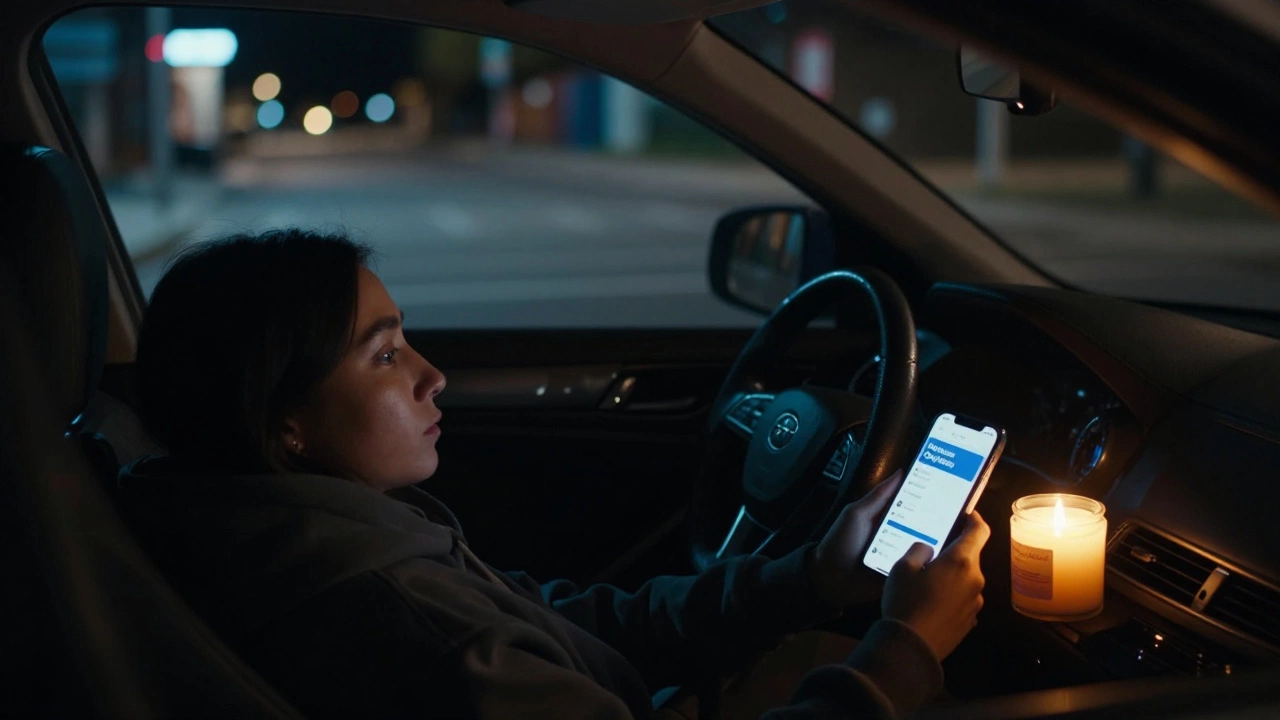
The film’s director, Maya Lin, spent three years embedded in communities from Oakland to Oklahoma City. She didn’t interview pimps or traffickers. She didn’t film in alleys or motel rooms. Instead, she sat with people in their kitchens, in their cars after shifts, in community centers where they got free meals and legal advice. What emerged wasn’t a portrait of exploitation, but of resilience. One subject, a 52-year-old former nurse from Cincinnati, said, "I didn’t choose this because I wanted to. I chose it because I had no other way to pay for my daughter’s cancer treatment."
These aren’t the narratives you hear on cable news. There are no dramatic rescues, no villainous johns, no redemption arcs. Just people trying to keep their heads above water in a system that treats them like ghosts.
Why This Film Feels Different
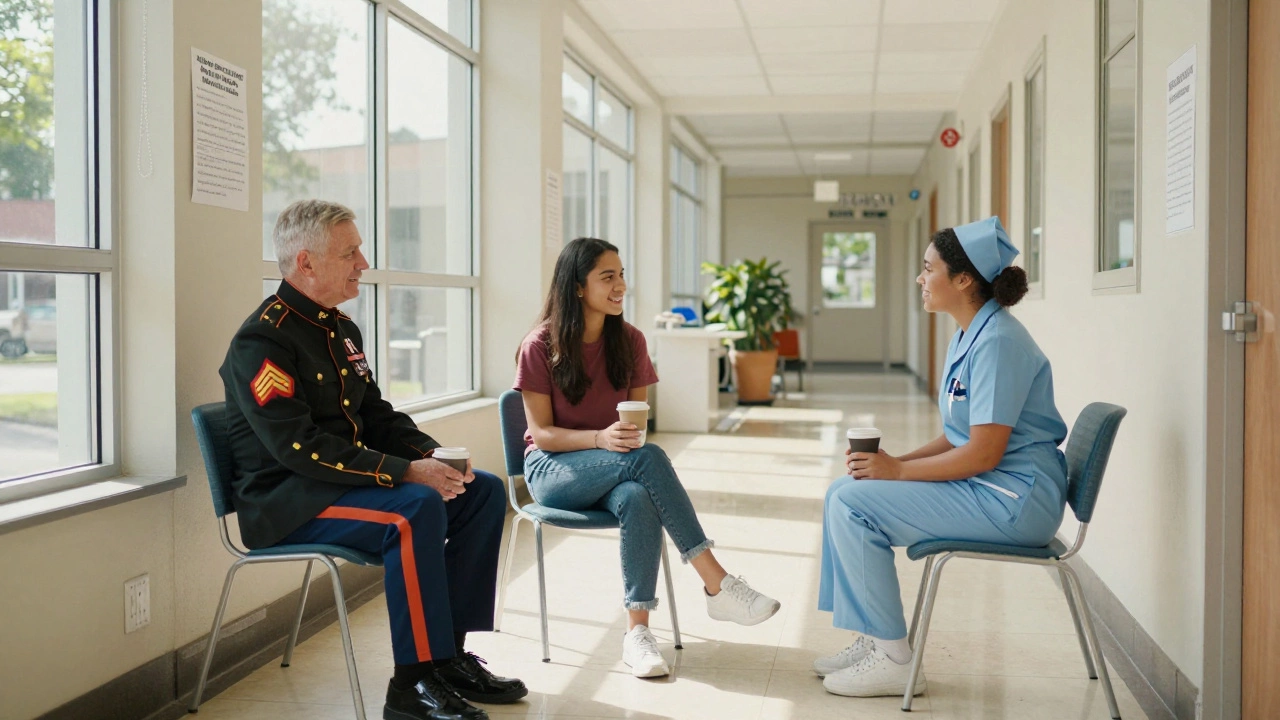
Most documentaries about sex work fall into two traps: they either glorify it as liberation or condemn it as degradation. American Courtesans avoids both. It doesn’t ask you to cheer for the workers or pity them. It asks you to see them as neighbors. One woman in the film runs a small Etsy shop selling handmade candles while working part-time as an independent escort. She’s not "trapped"-she’s managing multiple income streams. Another is a retired Marine who transitioned into sex work after PTSD made traditional employment unbearable. Their lives aren’t defined by their work. Their work is one part of their lives.
The film also highlights how technology changed everything. Apps like Feeld, OnlyFans, and Clarity have shifted power away from agencies and toward individuals. Workers now set their own rates, screen clients, and control their schedules. But this freedom comes with new risks: algorithmic bans, payment freezes, and the constant fear of exposure. One interviewee says, "I can make $800 an hour now, but if my employer finds out I’m doing this, I lose my job, my housing, and my kids."
The Paris Connection: A Global Mirror
It’s easy to think of sex work as an American problem, or a European one. But the documentary subtly draws lines between cities. The same laws that criminalize solicitation in Texas also exist in France-though enforcement varies wildly. In Paris, where an escort vip paris might pay €1,200 a month for a private apartment to avoid street work, the stakes are just as high. The difference? In France, clients are often fined, not the workers. That legal asymmetry creates a strange kind of protection-but also deep stigma. One French woman featured in a side segment of the film says, "They call us "paris sex model" like it’s a fashion job. We’re not models. We’re people trying to survive a system that says we don’t matter."
The film doesn’t push for legalization or abolition. Instead, it asks: What if we stopped pretending this work doesn’t exist? What if we gave workers access to healthcare, banking, and housing without forcing them to prove they’re "worthy"?
Who’s Watching-and Why It Matters
The documentary premiered at Sundance in January 2025 and has since screened in over 40 U.S. cities, often in partnership with local sex worker advocacy groups. College campuses have hosted post-screening panels with former workers, social workers, and even former police officers who now support decriminalization. One surprising audience? Rural church groups. After a screening in rural Kentucky, a pastor stood up and said, "I used to think these women were sinners. Now I see they’re my neighbors who got kicked out of the system and left to fend for themselves."
That shift in perception is what the film is really about. Not policy. Not politics. Not even morality. It’s about seeing people as human beings first.
What Happens After the Credits Roll?
The film ends with a simple list: resources for housing, legal aid, mental health support, and financial literacy programs specifically for current and former sex workers. No calls to action. No donation buttons. Just facts. Because, as one subject says, "You don’t need to save me. You just need to stop making it harder for me to save myself."
Organizations like the Sex Workers Outreach Project (SWOP) and the Global Network of Sex Work Projects (NSWP) have seen a 300% spike in inquiries since the film’s release. More importantly, three states have introduced bills to decriminalize sex work among consenting adults-something that was unthinkable two years ago.
The Real Cost of Silence
For decades, sex work was hidden behind closed doors, whispered about in hushed tones, or used as a punchline in late-night comedy. The result? Workers died without anyone noticing. Children were taken away because a parent was labeled "immoral." People lost jobs, families, and futures because of a single line on a background check.
American Courtesans doesn’t offer easy answers. But it does something rarer: it gives voice to those who’ve been silenced for too long. And sometimes, that’s the first step toward change.